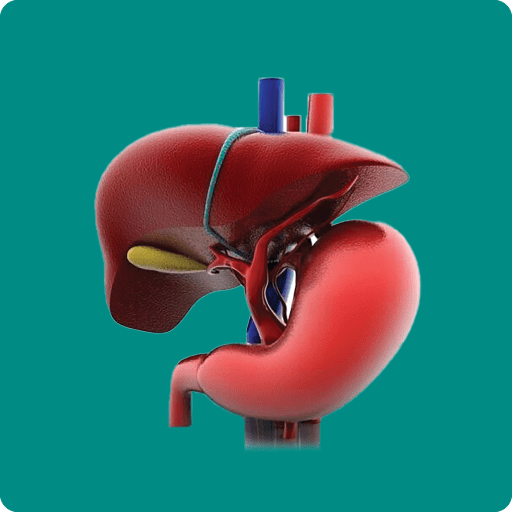
ERCP in Dhaka & Bangladesh
ERCP (Endoscopic Retrograde Cholangiopancreatography) is a procedure used to diagnose and treat problems of the bile ducts, gallbladder and pancreas. This page explains what ERCP is and shares Dr. Mohammad Naymul Hasan's verified ERCP training.
Verified professional information
Dr. Mohammad Naymul Hasan
Associate Professor (Gastroenterology)
National Gastroliver Institute & Hospital, Dhaka
- MBBS, BCS (Health), MD (Gastroenterology)
What is ERCP?
ERCP combines the use of X-rays and an endoscope — a long, flexible, lighted tube passed through the mouth — to examine and treat the bile ducts and pancreatic duct. Because it can both diagnose and treat, it is often called a therapeutic endoscopy procedure.
Common biliary and pancreatic contexts
ERCP may be used in the management of certain bile-duct and pancreatic conditions — for example, in the context of bile duct stones or blockages, or where a stent or tissue sampling is needed. Whether ERCP is appropriate depends on each patient's condition, tests and clinical assessment.
Therapeutic ERCP
Beyond imaging, therapeutic ERCP can include interventions such as removing certain stones from the bile duct or placing stents to relieve blockages. The exact intervention depends on the findings during the procedure and the patient's condition.
Verified ERCP training
Dr. Mohammad Naymul Hasan's verified credentials include Advanced Training in ERCP across Mumbai, China & Bangkok, alongside fellowships in EMR (Australia) and ESD (Japan). His clinical ERCP practice includes complex biliary cases, shared in the related clinical articles below.
Frequently asked questions
What is ERCP used for?
ERCP is used to diagnose and treat certain problems of the bile ducts, gallbladder and pancreas — for example, in the context of bile duct stones or blockages. Whether it is appropriate depends on each patient's tests and assessment.
Is ERCP a surgery?
No. ERCP is an endoscopic procedure performed with an endoscope and X-ray guidance, not open surgery. Like all procedures it has risks and benefits, which the doctor explains before the procedure.
How can I book an appointment?
Appointments are taken over the phone. See the Appointments & Contact page for chamber locations, visiting schedules and appointment numbers.
The information on this website is for general awareness only and is not personal medical advice.